
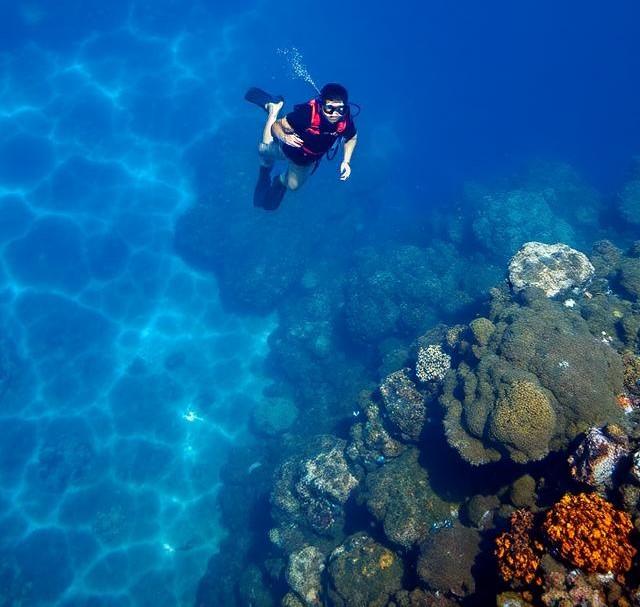
The reef aquarium hobby in the Maldives exists in a uniquely complex space—one shaped by strong environmental protections, rapid coastal development, and a growing community of passionate marine enthusiasts. While the country is globally celebrated for its natural coral reefs, the way reef life is regulated within the aquarium hobby presents both contrasts and important questions for the future.
A Hobby Shaped by Regulation
In the Maldives, corals are officially banned from collection, trade, and general possession under environmental protection laws. These measures are intended to safeguard fragile reef ecosystems that are vital to biodiversity, fisheries, and tourism.
At the same time, large-scale land reclamation and coastal development projects are common. In many instances, natural reef areas have been damaged, buried, or removed to support infrastructure expansion. Although coral relocation efforts are sometimes carried out as mitigation, their long-term effectiveness remains debated.
This contrast—strict restrictions on individual hobbyists versus large-scale alteration of reef environments—has become a central concern within the local reefing community.
The Reality of Reef Hobbyists
Despite the ban, reef aquarium hobbyists do exist in the Maldives, and some maintain coral-based aquariums. These systems are often built using imported or informally sourced livestock, reflecting a strong and unmet demand for reef-keeping.
For these hobbyists, reef aquariums are more than aesthetic displays—they are complex ecosystems requiring:
- Stable water chemistry
- Specialized lighting and flow
- Long-term biological care
Many hobbyists view reef-keeping as a form of education and conservation awareness, not exploitation.
Fish-Only Systems as the Legal Norm
Since marine fish are permitted, most compliant aquariums in the Maldives are fish-only systems. These setups focus on species diversity and behavior, often featuring clownfish, tangs, angelfish, and wrasses.
To compensate for the absence of corals, hobbyists rely on:
- Artificial aquascaping
- Advanced filtration systems
- Carefully structured environments
While visually appealing, these systems cannot fully replicate the complexity of natural reef ecosystems.
A Global Supplier, Local Limitations
The Maldives is recognized as a significant player in the global marine life trade, particularly in live fish exports and imports. Reef hobbyists around the world benefit from access to marine species connected to the region.
However, local hobbyists face a different reality. While international markets benefit, access within the country remains restricted—creating a clear imbalance between global participation and local opportunity.
Import Restrictions and a Growing Concern
According to current policy positions from relevant authorities, the import of saltwater species for hobby purposes is not permitted. This includes not even a single marine species for private aquarium use.
At the same time, permits can be issued for importing non-native animals such as:
- Freshwater fish
- Birds
- Other exotic pets
This has led to increasing concern within the reefing community. While other non-native species can be brought into the country under regulated permit systems, marine species remain entirely excluded. Many hobbyists see this as an inconsistency—one that limits the development of a responsible and regulated marine aquarium sector.
Unintended Consequences
When a clear demand exists but legal pathways are unavailable, it can unintentionally open the door to informal or illegal channels within the local community.
This creates additional risks:
- No proper health certification or quarantine
- Unsafe transport and handling
- Increased ecological and biosecurity concerns
A transparent, regulated system could reduce these risks while maintaining environmental protection.
Climate Pressure and a Difficult Question
The Maldives has already experienced the devastating impact of climate events on its reefs. During the 1998 El Niño event, an estimated 80% of corals were lost due to mass bleaching. It remains one of the most severe environmental crises in the country’s history.
The current global bleaching cycle is expected to be equally severe—if not worse—though scientists are still compiling data across the country. Corals grow slowly, and even under ideal conditions, it can take 10–15 years for reefs to recover meaningfully.
However, El Niño events are becoming more frequent and intense, a direct result of anthropogenic climate change. This raises a critical concern: can natural reef systems recover fast enough under increasing environmental stress?
Can Hobbyists Play a Role in Coral Survival?
This leads to an important and often overlooked question:
Can reef aquarium hobbyists help preserve corals by giving them a controlled environment to survive?
Coral restoration projects in the wild are valuable, but they are not immune to large-scale bleaching events. Many restoration efforts have also suffered losses during extreme temperature spikes.
In contrast, reef aquariums—when properly maintained—provide stable conditions where temperature, lighting, and water chemistry can be controlled. This opens up a possibility:
- Coral fragments (“frags”) kept in aquariums may survive events that destroy wild populations
- Hobbyist systems could act as small-scale preservation environments
- These corals could potentially contribute to future reef restoration efforts
While aquariums cannot replace natural reefs, they may offer a complementary role in conservation—especially in times of increasing climate instability.
A Missed Opportunity or a Future Path?
At present, reef hobbyists in the Maldives are largely excluded from participating in such possibilities. With strict bans and no clear legal pathway for coral keeping or propagation, this potential remains untapped.
The idea is not without challenges. Biosecurity, ecological risk, and ethical considerations must all be addressed. However, with proper regulation, training, and oversight, reef hobbyists could become valuable contributors to conservation rather than being left outside the system.
A Call for Policy Evolution
There is a growing sentiment within the community that policies need to evolve. Reef hobbyists are not asking for unrestricted access, but for fair and controlled opportunities—similar to those granted to other hobbies and pet ownership sectors.
Suggested approaches include:
- Licensing systems for responsible hobbyists
- Controlled import permits for marine species
- Encouraging aquacultured and sustainably sourced livestock
- Clear and enforceable regulatory frameworks
The goal is balance—protecting natural ecosystems while allowing responsible engagement.
Looking Forward
The reef aquarium hobby in the Maldives is no longer a niche—it is a growing movement seeking clarity, fairness, and recognition.
Bridging the gap between conservation policy and real-world practice will require open dialogue, scientific input, and thoughtful reform. By introducing a transparent and balanced system, the Maldives has the opportunity to support its local reefing community while continuing to lead globally in marine conservation.
At its core, the goal is shared:
to protect natural reefs while enabling responsible, informed, and sustainable interaction with marine life—even within the boundaries of an aquarium.